Debating Downtown Phoenix vs suburbs? Compare lifestyle, cost, commute, and community to find the best place to call home.


Phoenix, Arizona, has rapidly transformed into one of the most sought-after cities to live in the United States. As a consistently growing metropolitan hub, Phoenix attracts professionals, families, retirees, and students seeking opportunity, sunshine, and lifestyle diversity. One of the first and most significant decisions new residents face involves choosing where to live: Downtown Phoenix vs. the suburbs. This comprehensive living in Phoenix guide explores the pros and cons of each option so you can confidently make the decision that aligns best with your lifestyle, budget, and personal goals. With more than 300 days of sunshine per year and ongoing economic development, Phoenix offers a range of neighborhoods and communities that cater to a wide variety of preferences. Whether you’re drawn to the artistic pulse of downtown or the tranquil charm of suburban parks, understanding the details is key to a happy relocation, and this comprehensive Phoenix relocation guide can provide a broader overview.
Downtown Phoenix offers a dynamic, energized urban environment. Residents of the city center enjoy unmatched walkability, cultural richness, and easy access to jobs. With an abundance of museums, restaurants, music venues, and historic sites, downtown fosters both lifestyle and professional opportunity. For those who thrive on constant motion and proximity, Downtown Phoenix is a great fit. Additionally, ongoing revitalization projects continue to improve infrastructure and aesthetics, attracting new businesses and increasing property values.
That said, downtown living has some limitations. One of the primary downsides is cost. While still less expensive than cities like L.A. or New York, renting or buying downtown in 2025 can be substantially more expensive than suburbs. The influx of development has resulted in rising property values, which may price out some buyers or renters looking for affordability in the heart of the city.
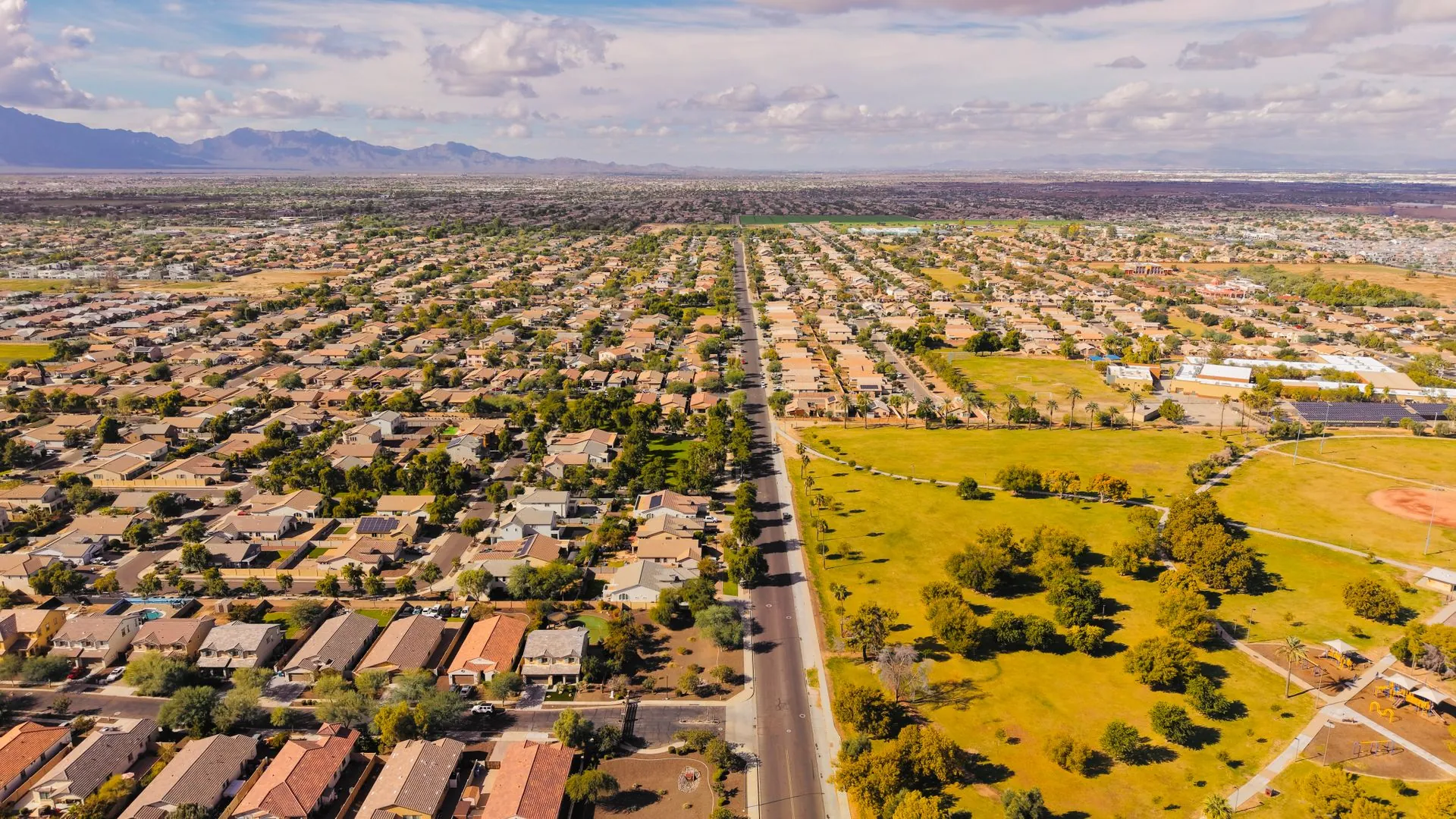
If you’re looking for space, affordability, and a quieter ambiance, Phoenix’s suburbs present a compelling choice. Communities such as Chandler, Gilbert, Peoria, and Mesa offer excellent schools, newer homes, and a slower pace often preferred by families, retirees, and those escaping denser urban life. Many are even exploring areas further out, with guides on moving to Pinal County, AZ becoming increasingly popular. These suburbs frequently rank high in livability scores and continue to expand with new retail and housing developments, ensuring plenty of choices for prospective residents.
Suburban living doesn’t come without compromises. The most notable challenge is transportation. Suburbs are largely car-dependent zones. Additionally, although more spacious, suburban homes may lack some of the charm or uniqueness of older urban dwellings due to the prevalence of planned communities with similar architectures.
Understanding the cost of living in Phoenix 2025 is critical to making the right move. While Phoenix’s overall cost of living is still relatively affordable compared to other large U.S. cities, there’s a marked difference between downtown and suburban expenses. Don’t forget to examine hidden costs such as HOA fees, commuting time, maintenance costs, and property taxes, as well as understanding how much a mover costs in Arizona when evaluating your housing options.
| Expense Category | Downtown Phoenix | Suburban Phoenix |
|---|---|---|
| 1-Bedroom Rent (avg.) | $1,800/month | $1,400/month |
| 2,000 Sq. Ft. Mortgage (avg.) | $2,800/month | $2,300/month |
| Utilities | $175/month | $200/month (larger spaces) |
| Parking | $100–$200/month | Usually free or included |
| Gas/Transportation | Lower | Higher (longer drives) |
These figures show that while downtown might offer savings on transportation or proximity to work, overall housing costs can be significantly higher than in the suburbs. For those planning to own property long term, the potential for greater home appreciation in specific suburbs may also be worth considering.
City dwellers rarely need to leave their neighborhood to access first-class culture, dining, and recreational amenities. Just a short walk or light rail trip opens up music halls, rooftop lounges, galleries, and boutique gyms. Professional networking events, tech meetups, and co-working spaces foster a high-energy, social environment.
While slower-paced, suburban amenities cater to residents who prioritize family and community. Larger lots and planned developments mean more zoning for parks, public facilities, and recreational centers. Some suburbs even have their own mini “downtowns” bustling with restaurants, movie complexes, and seasonal festivals.
Transportation is another major consideration when weighing Downtown Phoenix vs suburbs. Choosing the right location can meaningfully impact your daily routine and quality of life.
The best neighborhoods in Phoenix will depend on your personal lifestyle. Here’s how to decide:
Making the choice between Downtown Phoenix vs suburbs boils down to lifestyle needs, budget, and long-term goals. Downtown offers energy, culture, and convenience perfect for singles and young professionals. On the other hand, Phoenix’s suburbs promise space, community, and a slower pace—a choice better suited for families and those seeking balance or affordability. Whatever you choose, this living in Phoenix guide should help clarify your options. Ready to make the move? Reach out to trusted local Phoenix movers today and take the first step in your new Arizona chapter. The Valley of the Sun awaits—make your move with confidence and clarity.

Downtown Phoenix offers a vibrant, energetic lifestyle with excellent walkability, rich cultural venues, and convenient access to workplaces, entertainment, and public transit.
Living downtown can mean higher rent, limited parking, and more noise and crowds. You may pay a premium for relatively smaller living spaces and may need to navigate event-driven parking challenges.
Suburban areas like Chandler, Gilbert, Mesa, and Peoria offer more space (yards, garages), family-friendly communities, better affordability, quieter surroundings, and strong schools—ideal for families and those seeking tranquility.
Suburbs are typically car-dependent, with longer commute times and less walkability. Access to public transit is more limited and errands often require driving.