
Learn how to safely move your plants to a new home with expert tips on packing, transport, and aftercare to keep them healthy and thriving.

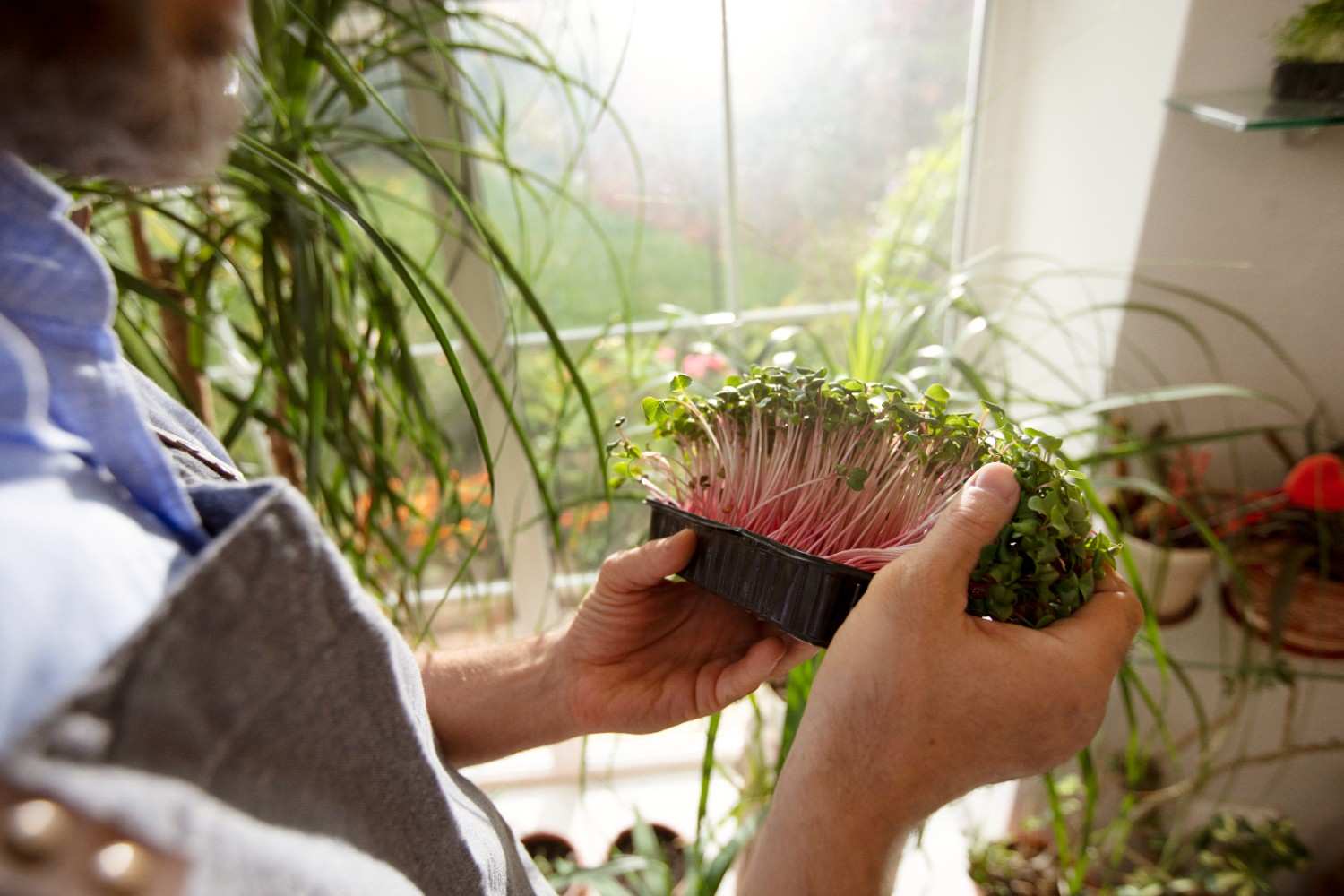
Moving to a new home is an exciting transition, but if you’re a plant lover, it can come with a set of unique challenges. Unlike furniture or appliances, plants are living organisms that require specific conditions to thrive. Whether you have a few succulents on your windowsill or an indoor jungle sprawling across rooms, understanding how to move plants safely is crucial. In 2025, with more homeowners embracing greenery inside the home, there’s an increasing need to ensure these beloved plant companions survive — and flourish — in transit.
This comprehensive guide covers everything you need to know about packing plants for moving, the best techniques for transporting houseplants during a move, and how to care for plants when relocating. Let’s dig in with smart, protective strategies that will make your plant move a smooth one.
Plants are sensitive to environmental changes. They react to differences in humidity, light exposure, temperature, and disruption of their roots or foliage. A bumpy car ride, sudden cold draft, or rough handling during a move can lead to shock or even the death of a plant.
Additionally, unlike inanimate household items, plants can’t simply be repaired or replaced if damaged. Many people invest years into nurturing their greenery, making the stakes even higher when moving. Emotional value aside, some species are expensive or hard to replace due to size or rarity.
When considering how to move plants safely, preparation is everything. Just like you’d plan logistics for moving valuables or pets, your plants should get the same careful attention. A well-prepared move significantly reduces the likelihood of transplant shock and damage en route.
First, check local regulations if you’re moving to a different state or country. Some areas have agricultural restrictions to prevent the spread of invasive species or plant diseases. Verify whether your houseplants are allowed in your new location. For instance, states like California and Florida have specific rules to guard against plant pests and pathogens harmful to crops and native ecosystems.
About a week or two before moving day, prune your plants lightly. This promotes good shape and removes dead or excess growth. Inspect leaves and soil for pests like spider mites or fungus gnats—for your plants’ health and to avoid contaminating other items during transport. You can use a magnifying glass to catch smaller infestations, and neem oil or insecticidal soaps are good eco-friendly treatment options prior to moving.
If your plants are in fragile ceramic or clay pots, consider repotting them into plastic containers for the journey. Plastic is lighter and less likely to break, reducing risk during transit. Complete this process at least two weeks before the move so your plants aren’t shocked by multiple changes at once. It’s also a good time to refresh old potting mix, though be cautious not to over-disturb roots close to the move date.
Keep an eye on the weather. If you’re moving during summer or winter extremes, plan for insulation or cooling methods to protect your most sensitive plants. Bubble wrap, old blankets, and cardboard dividers can provide insulation. During hotter months, travel during early morning or late afternoon to avoid exposing plants to peak heat.
Packing plants for moving is a delicate process requiring different approaches depending on plant type and size. It’s a good idea to set up a dedicated plant prep area in your home in the days before the move, where you can organize and safely sort your greenery for transport.
These plants are more drought-tolerant, so avoid watering just before the move. Wrap cactus spines in paper to prevent injury, and arrange them in shallow boxes with dividers to keep them upright. Egg cartons or cardboard beverage trays can make excellent temporary containers for smaller cacti or succulent cuttings.
Put hanging plants in their containers directly into boxes. For long vines, loop them carefully and secure with string so they don’t snap or tangle. Use tissue paper to preserve leaf structure. Consider removing the hanger hardware to make placement easier during the move. For especially long vines, gently coil them into a circle and tie with twine.
When transporting houseplants during a move, vehicle selection and environmental control are key factors in their survival. Never put plants in a moving truck with your other possessions—they can overheat, freeze, or get crushed. Instead, transport plants in your personal vehicle where you can monitor their condition.
If your relocation spans multiple days, factor in stops for sunlight and air. Consider gentle watering if the soil appears dry, but avoid overwatering. When staying at a hotel, bring in delicate plants to prevent damage from nighttime cold or theft. For larger moves, digital temperature monitors or battery-powered fans can help moderate growing conditions on the road.
Understanding how to care for plants when relocating is just as important as the move itself. The first few weeks in a new environment are crucial for your plants’ recovery and adjustment. Don’t be alarmed if your plants show signs of stress — some droopiness or a few yellow leaves are natural responses to change.
Here are some additional plant moving tips for homeowners looking to streamline the transition and protect their greenery.
Moving with houseplants is completely achievable with careful planning and care. By understanding how to move plants safely, implementing smart plant moving tips for homeowners, and being mindful of how to care for plants when relocating, you’ll give your green friends their best chance to continue thriving in your new home. Oh, and if you’re looking for movers in Phoenix, AZ, give us a shout! We’re happy to help with your plants and any other item relocation.
Remember, from packing plants for moving to transporting houseplants during a move, each step matters. With a gentle hand and preparedness, your plants can transition to their new environment as gracefully as you do.

Begin at least 2-3 weeks prior to the move. This gives you time to prune, repot if necessary, check for pests, and adjust watering routines.
Shipping is possible through certified carriers, but it’s risky due to weather exposure and handling without care. It is generally safer to transport them yourself. If you must ship them, opt for expedited shipping and pack with breathable materials.
It’s common for plants to show signs of stress like wilting or leaf drop. Provide them with stable light, humidity, and water levels. Avoid repotting or fertilizing until they’ve recovered. Offering consistency is the fastest path to healing.