
The kitchen is the hardest room to pack. Learn the techniques professional movers use for dishes, glasses, appliances, and more.

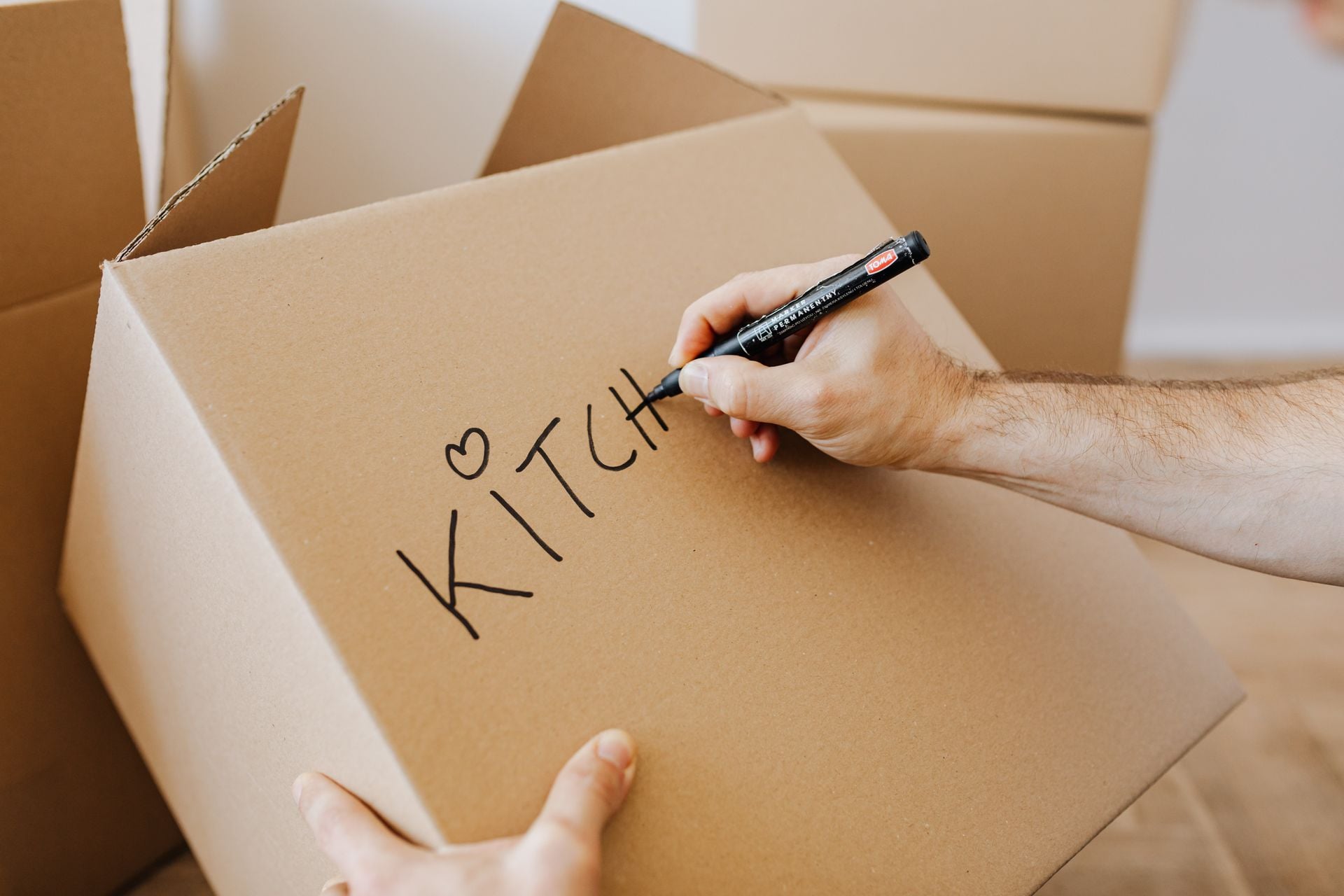
Ask anyone who has moved what the worst room to pack was, and the answer is almost always the kitchen. It is the room with the most fragile items, the most awkward shapes, the smallest loose pieces, and the most variety of materials. Packing a kitchen well takes longer than most people plan for, and doing it poorly leads to broken dishes, dented appliances, and boxes so heavy they are dangerous to carry. Here is how to do it right.
The kitchen is not a room you pack the night before. Give yourself at least a week, ideally two, to work through it in stages. Start with the items you use least: holiday dishes, specialty appliances, serving platters, vases, and anything stored in the back of upper cabinets. These can be boxed up well before moving day without affecting your daily routine.
In the final days before the move, pack down to the essentials: one pot, one pan, a few plates and cups, basic utensils, and whatever you need for simple meals. Everything else should already be boxed.
Kitchen items are heavy and fragile, and standard moving boxes are not always sufficient. Dish pack boxes, also called dish barrels, have reinforced double walls and are specifically designed for the weight of kitchenware. Use them for your dishes, glasses, and heavy ceramics. Smaller boxes work well for spices, utensils, and lighter items.
Never overpack a kitchen box. A box too heavy to lift comfortably is a box that will be dropped, and the fragile items inside will pay for it. When in doubt, use a smaller box and keep the weight manageable.
Dishes and glasses account for most kitchen breakage during a move, and the technique you use makes all the difference.
For plates, wrap each one individually in packing paper. Stack them vertically on their edge inside the box, like records, rather than flat on top of each other. Plates packed vertically absorb impact better and are far less likely to crack.
For glasses and mugs, stuff the inside with crumpled packing paper first, then wrap the outside. Place them upside down in the box with paper between each one. Stemware gets extra attention: wrap the stem separately before wrapping the entire glass, since the stem is the most vulnerable point.
Before any dishes or glasses go in the box, create a two to three-inch cushion of crumpled paper on the bottom. Fill any remaining gaps with paper so nothing shifts when the box moves.
Blenders, toasters, coffee makers, and similar appliances should be wrapped individually and packed in boxes with cushioning on all sides. If you still have the original box and foam for any appliance, use it. Remove any detachable parts, wrap them separately, and pack them alongside the appliance so they do not get lost.
For larger appliances like stand mixers, use a sturdy box and enough padding to absorb shock. These are heavy and need a box that can handle the weight without the bottom giving out. Reinforce the bottom of the box with extra tape.
Knives should be wrapped individually in packing paper or placed in blade guards before being packed. Never throw loose knives into a box. Aside from the safety risk during unpacking, unprotected blades can damage other items and dull quickly.
For utensil drawers, bundling silverware in groups with rubber bands and packing them in a small box works well. Some people pack entire utensil trays as-is, wrapped in plastic wrap to hold everything in place. Either method works as long as the contents cannot shift and scratch each other.
Dry goods in sealed containers can travel in small to medium boxes. Anything open, partially used, or perishable should be used up before the move or discarded. Liquids like cooking oils and sauces are risky in transit and are best transported in sealed plastic bags inside an upright box.
If you are making a long-distance move, consider whether shipping heavy pantry staples like flour, sugar, and canned goods is worth the cost. In many cases, donating these items and replacing them at your destination is more practical.
A kitchen is the one room where professional packing pays for itself most clearly. Professional packers have the right boxes, the right materials, and the speed that comes from doing this every day. What might take you an entire weekend they can finish in a few hours, with better protection for your fragile items.
If the thought of packing your kitchen makes you want to skip the move entirely, Just-In Time Moving & Storage offers full-service and partial packing, including specialty packing for kitchenware and fragile items.