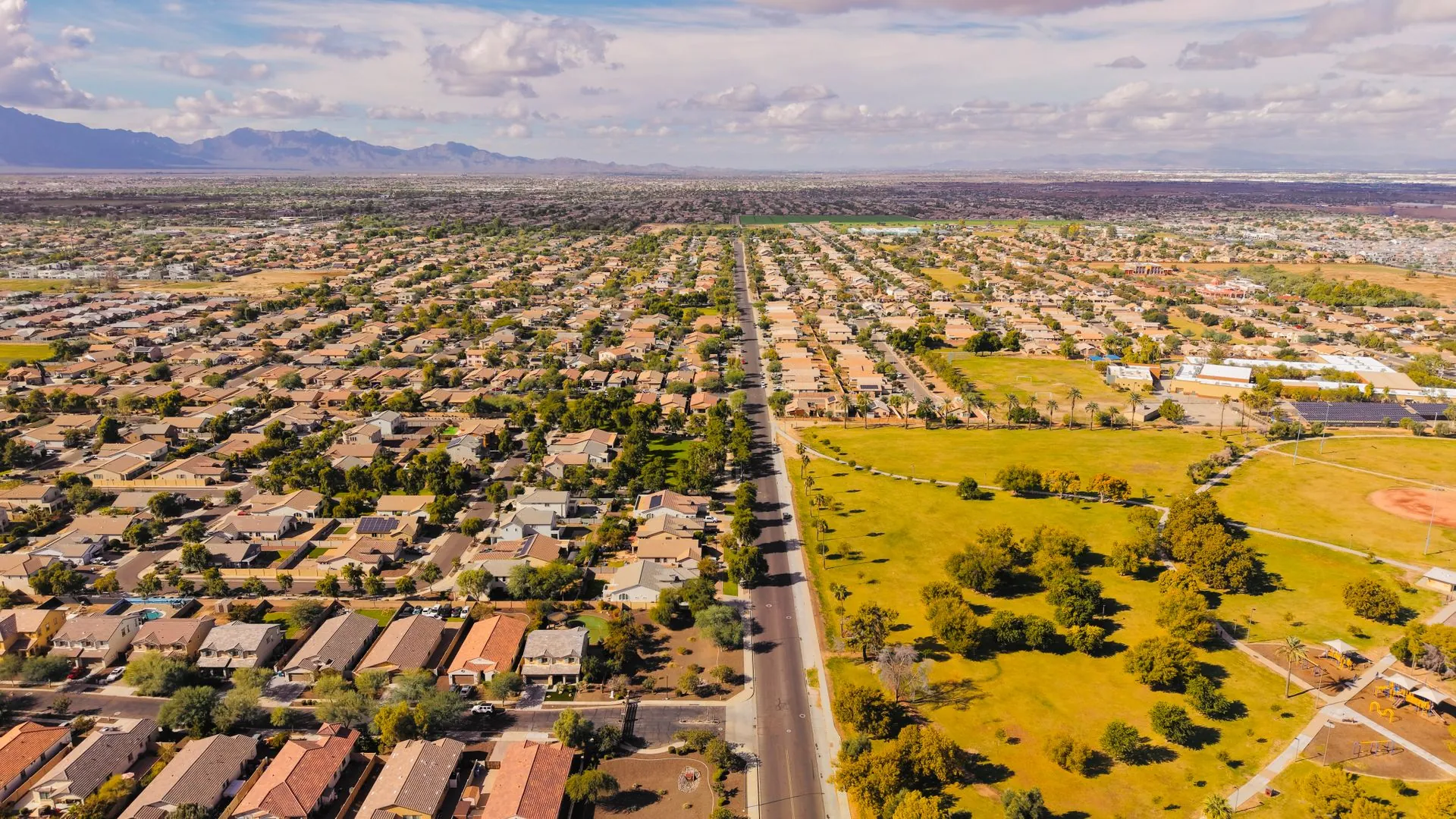
Explore Phoenix's 2025 housing market: renting offers flexibility and savings, while buying builds equity. Weigh costs, interest rates, and long-term goals.

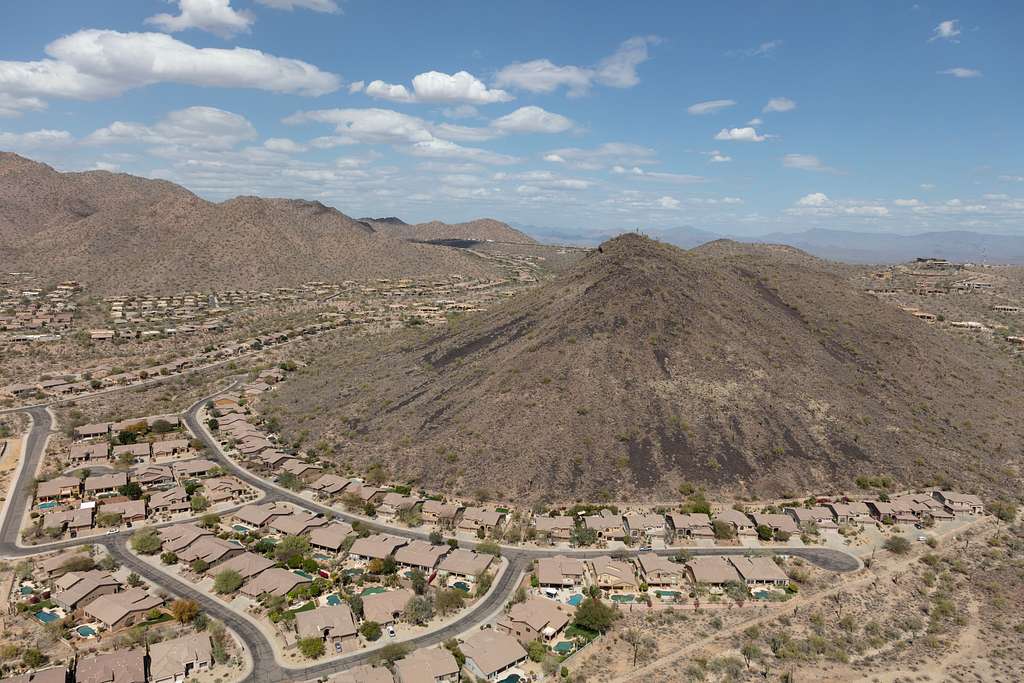
The decision between renting and buying a home is a critical one for many newcomers to Phoenix. As one of America’s fastest-growing cities, Phoenix offers a unique mix of affordability, opportunity, and lifestyle benefits. However, when it comes to establishing roots in this desert metropolis, residents often grapple with one big question: should you rent or buy in Phoenix? In this guide, we’ll examine the pros and cons of renting vs buying in Phoenix, with insights into the Phoenix housing market 2025, current affordability trends, and what each option means for your financial future.
When considering the pros and cons of renting in Phoenix, the benefits stand out for individuals who prioritize flexibility and lower upfront costs. Renting in 2025 continues to be an attractive option for newcomers, especially those still exploring the area or not ready to commit to a mortgage.
While renting offers short-term perks, it does have limitations:
Buying a home in Phoenix is a big move, and navigating the Phoenix housing market requires long-term planning and financial investment. Phoenix continues to be a hot real estate market in 2025, and buying now may offer substantial financial benefits in the future.
Homeownership isn’t for everyone, and there are several considerations to keep in mind:
The Phoenix housing market 2025 is experiencing notable trends that will influence your decision significantly. Understanding these local market characteristics ensures you make a well-informed choice:
Phoenix continues to be among the top destinations for domestic migration. With consistent population growth and business expansion, housing demand remains high. This has driven both rental and property prices upward over recent years—and that trend is expected to continue into 2025. Major employers like Intel, Amazon, and Banner Health are expanding operations in metro Phoenix, attracting professionals from out of state. This influx fuels both the rental and purchase markets, making the choice between downtown Phoenix vs the suburbs a key decision, especially in places like Chandler and Gilbert.
While Phoenix remains more affordable than cities like Los Angeles or San Francisco, prices are on the rise. According to market forecasts, median home prices in Phoenix are projected to grow by 4% in 2025. However, there are still affordable housing options Phoenix residents can explore, especially in emerging neighborhoods on the city’s outskirts. Additionally, programs like Home+ and first-time homebuyer grants from the Arizona Department of Housing help ease financial entry for qualifying individuals.
Several master-planned communities, condo developments, and redevelopments are addressing buyer demand. These provide more options for people looking at buying a home in Phoenix, from first-time buyers to retirees seeking single-story homes with amenities. Projects like Eastmark in Mesa or Union Park in Norterra are not only creating homes but entire neighborhoods equipped with entertainment, schools, and retail zones.
Phoenix’s desert climate can greatly impact utility costs. Renters often have electric bills included or partially subsidized, while homeowners bear full responsibility. During peak summer months, the cost of cooling a home can be substantial, and the logistics of moving in Phoenix summers present their own unique challenges. Energy-efficient upgrades, solar panels, and programmable thermostats can mitigate this for homeowners, though they require initial investment. Also, extended drought conditions impact landscaping needs—xeriscaping is becoming a popular, low-maintenance alternative.
Here’s a concise comparison to help visualize the main differences:
| Factor | Renting in Phoenix | Buying in Phoenix |
|---|---|---|
| Initial Costs | Low | High (Down payment, fees) |
| Flexibility | High | Low |
| Equity Building | No | Yes |
| Maintenance | Landlord Responsibility | Owner Responsibility |
| Customization | Limited | Unlimited |
| Tax Benefits | None | Mortgage & Property Tax Deductions |
In the end, the choice between renting vs buying in Phoenix hinges on your financial situation, lifestyle needs, and long-term goals. Renting is ideal if you value flexibility, lower costs, and hassle-free living. On the other hand, homeownership offers the path to equity, stability, and a personalized living environment. Regardless of your decision, understanding the Phoenix housing market 2025 landscape is essential for making the smartest investment for your future. Take a close look at your budget, future plans, and what matters most to you in a living environment. Whether you’re seeking affordable housing options Phoenix newcomers love or planning for your dream home, this guide should give you the clarity to act confidently. And if you ready to hire Phoenix movers, we are here to help!
It depends on your goals. Renting offers flexibility and lower entry costs, ideal for short-term stays or uncertain plans. Buying suits those looking for long-term investment, equity, and customization freedom. Consider your job stability, lifestyle needs, and long-term vision before finalizing your choice.
Yes, the Phoenix housing market 2025 indicates continued appreciation in property values, driven by steady demand and economic growth. The strong job market, population boom, and investor activity all contribute to the upward trend.
Affordable housing options in Phoenix include areas like Laveen, South Mountain, Deer Valley, and parts of Peoria and Mesa. These locations still offer relatively lower price points with decent amenities and access to the downtown core. Be sure to research HOA fees and new development plans when assessing affordability.