
Help kids adjust to a new home with practical tips to ease anxiety, build comfort, and create a positive moving experience for the whole family.

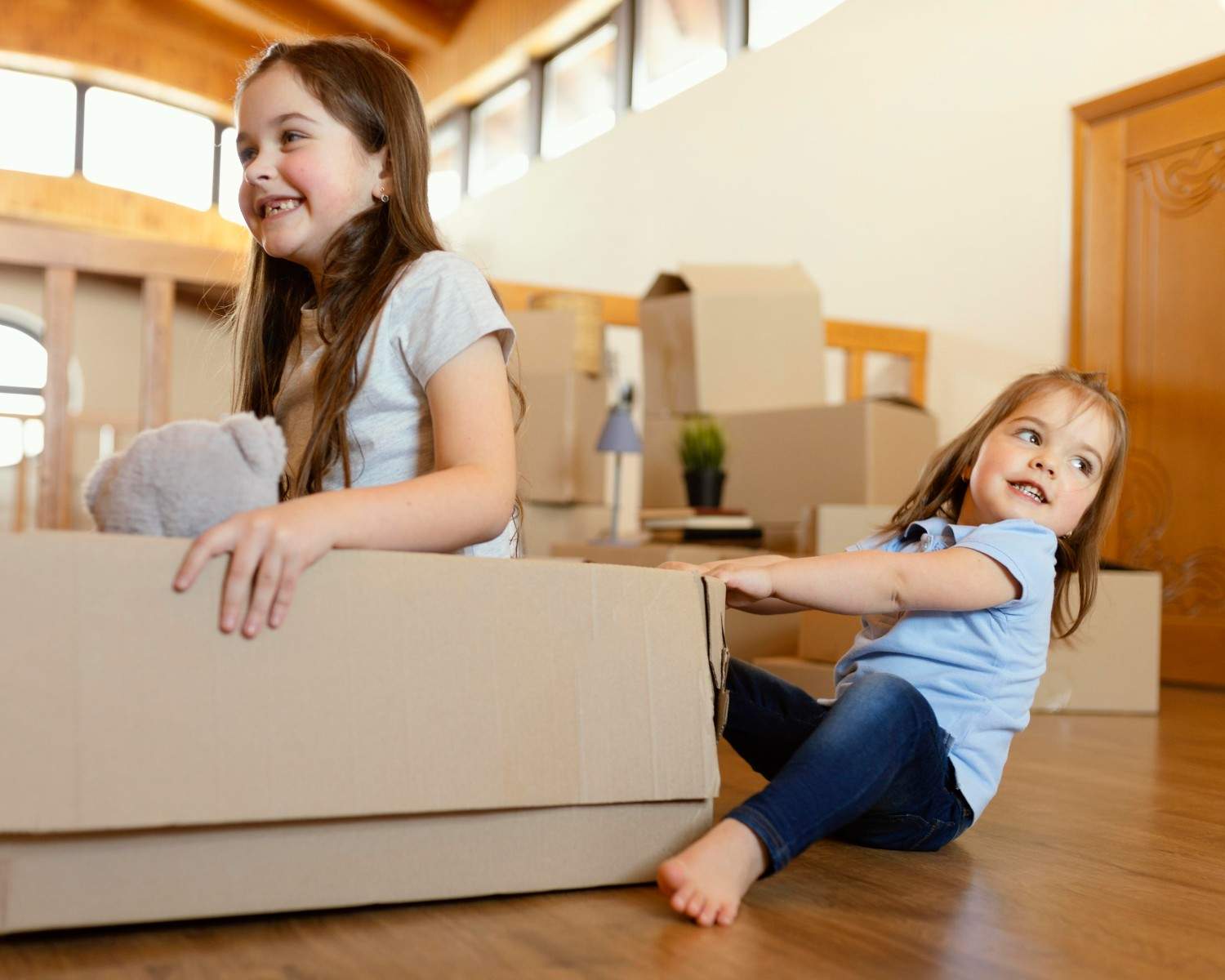
Moving to a new home marks the beginning of an exciting chapter, but for children, it can also be an overwhelming and emotionally unsettling experience. Adjusting to new surroundings, forming new routines, and saying goodbye to familiar faces can be challenging. That’s why it’s essential for parents and caregivers to understand how to support their kids during this transition. Our goal is to provide you with dependable insights on helping kids adjust to a new home while you handle the logistics and hidden costs of moving and what to budget for in 2025. This comprehensive guide explores practical activities, strategies for establishing family routines after moving, and mindset shifts that can help ease the process.
Children often thrive on routine and familiarity. When those anchors shift, feelings of insecurity, sadness, or even anger can arise. They may be leaving behind their friends, favorite playgrounds, schools, and extended family members. Regardless of age, the emotional toll of a move should not be underestimated. As parents, empathy, understanding, and active support are essential when supporting kids during a move.
Children of different ages process moves differently:
Helping kids adjust to a new home begins long before the moving truck arrives. Understanding how to prep your home before the movers arrive allows you to create a calmer environment, which helps set expectations and empowers kids through involvement.
Let kids be part of the moving process from the beginning. Show them maps of the new area using top smart tech tools to simplify your next move, visit the new home (if possible), and point out exciting nearby attractions like parks or libraries. If they feel included, they’re more likely to embrace the change. Younger children may enjoy reading books about moving, while teens might appreciate being consulted on school options, bedroom designs, or local amenities they might use, like a skate park or community center.
Let children express their concerns, fears, or sadness openly. Validate their feelings without rushing to override them. Children need space and support to process their emotions. One technique is using stories or role-playing with dolls or action figures to act out what to expect from your movers, giving young kids an outlet to express what they might not be able to vocalize. Older kids may benefit from journaling or art projects that depict their feelings about leaving and starting fresh. And if you need Phoenix movers that care we’re here to help.
Use calendars or visual charts to show children when different steps of the move will happen, such as packing, the last day of school, moving day, and setting up their new room. This gives them a sense of structure and predictability. Additionally, countdown chains or stickers on a “moving calendar” can make the process interactive and fun while reinforcing a sense of progress and control.
One of the most effective moving with children tips is to reinstate consistency immediately after arriving at the new home. Create rhythms your children can count on to restore normalcy.
Ensure bedtimes, wake-up times, and meals are scheduled similarly to how they were before the move. Familiar routines build a sense of safety, which is vital in unfamiliar surroundings. Moreover, maintaining predictable bath time and storytime rituals contributes to better quality sleep and reduces post-move stress.
Make children’s bedrooms a top priority. If you engaged in smart downsizing to simplify before your big move, you can focus on unpacking their bedding, favorite toys, blankets, and books before tackling other areas. A familiar sleep environment can ease nighttime transitions. Let kids be part of arranging their stuff—even small options, like choosing where posters are hung or how their toys are displayed, give them a sense of control and belonging.
Continue doing your family’s favorite things, such as Sunday movie nights, Taco Tuesdays, bedtime stories, or family walks. These traditions offer continuity and comfort. If you’re in a new area, try mixing old traditions with new experiences, such as introducing a Friday exploration night where your family discovers a new neighborhood spot together.
Once the essentials are unpacked, it’s time to immerse your kids in their new environment. Here are some effective activities to help kids settle in a new home:
Set up a simple scavenger hunt in the new house or neighborhood. This playful activity helps kids explore their surroundings and get acquainted with new layouts and landmarks. Consider including meaningful objects hidden in boxes, like a favorite toy or family photo, that they discover as part of the game.
Give your child a say in decorating their room. Whether it’s choosing paint colors, placing posters, or arranging furniture, allowing personalization helps them take ownership of the new home. Consider creating a DIY project together, like a name sign for their door or decorating a memory box, to add a creative bonding moment to the transition.
Encourage kids to create a scrapbook of pictures and mementos from the old home. Filling it with drawings and journaling about the move can help process emotions constructively. Include snapshots of their old room, neighborhood friends, and routines to honor what’s being left behind – and balance it with pages ready to document new memories.
Register your children for classes, sports teams, or hobby groups in the new area. Participating in local events accelerates social integration and creates a sense of belonging. Visiting the local library, community center, or farmer’s market can also help your child feel connected and foster curiosity about their new environment.
Dedicate time as a family to walk around your new neighborhood, visit nearby stores, or attend community events. The more familiar things feel, the safer and more comfortable your child will become. Make a “new place” list with your child – comprising parks, ice cream shops, and bike paths – and check them off together over the first few months.
A move can be a powerful opportunity for growth. These mindset strategies are critical when supporting kids during a move and help build emotional resilience.
Kids take emotional cues from their caregivers. Show optimism and flexibility, even when plans go awry. This teaches children that adapting is part of life’s journey. Share stories from your own childhood about moving or making new friends to help normalize the experience.
Help kids see the positives, such as learning something new or meeting new friends. Frame the move as an adventure rather than a disruption. For example, introduce them to exciting aspects of the new home – like a backyard for play, a nearby trail, or a community swimming pool they didn’t have before.
Regularly check in with your children. Ask them how they are feeling about the move, what excites them, or what worries them. Keeping dialogue open creates emotional safety. Nighttime check-ins or mealtime conversations can offer natural opportunities for meaningful discussions.
Adjusting to a new home is a major life event for children, requiring thoughtful parental involvement at every stage. Through early engagement, consistent family routines after moving, and meaningful activities to help kids settle in a new home, you can ease your child’s emotional burdens and transform the move into a journey of growth. Remember, the key to successfully helping kids adjust to a new home lies in empathy, patience, and proactive support. By framing the experience as a shared family adventure and maintaining open communication, you empower your children to embrace change with resilience and optimism. Each step you take to understand and support your child paves the way for a softer landing and a more positive transition into your new home.

The best activities include organizing scavenger hunts, decorating their new room, attending local events, creating family routines, and making memory books. These help children create new attachments and ease the adjustment. Engaging them in local clubs or child-friendly community programs can also boost confidence and ease social fears.
Adjustment varies by age and temperament. Most children begin to feel more comfortable within a few weeks to a couple of months. Consistent routines and emotional support significantly speed up adaptation. Be mindful of regression in behaviors or mood changes, which usually fade as they acclimate to the new environment.
If possible, timing the move with the school year is ideal. However, kids are often resilient and can adapt mid-semester with proper support. Communicate openly with both the new and old schools to ensure a smooth transition. Arrange early meetings with new teachers, and help your child tour the school before their first day to reduce anxiety.