
Discover the hidden costs of moving in 2025. Learn what unexpected expenses to budget for to avoid surprises and stay on track financially.


Moving into a new home is a thrilling life event. Whether you’re relocating across town or across the country, the process involves many logistical challenges and—often overlooked—hidden expenses. Most people budget for obvious costs like hiring movers or renting a truck but forget to consider the long list of other expenses that can quickly derail your financial plan. In 2025, inflation and supply chain disruptions can make even the smallest moving tasks significantly more expensive than expected. This guide breaks down the hidden costs of moving, offers strategies for budgeting for a move, and provides a detailed moving expenses checklist so you’re not caught off guard.
Failing to anticipate the unexpected moving costs can transform a time of excitement into one of stress and debt. Families and individuals often underestimate how much moving truly costs, especially when additional services, last-minute necessities, and deposits enter the picture. Understanding and planning for these expenses ensure a smoother transition and protect your financial health during and after the move.
In particular, for those moving for the first time, these costs can be even more surprising. Budgeting missteps can lead to maxed-out credit cards, delayed move-in timelines, and unnecessary anxiety. A clear awareness of every financial angle, including knowing the top 10 mistakes to avoid when moving to Phoenix, helps you better allocate resources and avoid financial pitfalls.
Here’s a detailed moving cost breakdown to help you build a realistic budget. These costs are frequently overlooked but commonly incurred:
When moving to a new place, transferring or starting utilities is a must—and it often comes with fees. Services like electricity, gas, water, internet, and garbage collection may require new account setups and deposits, particularly if you haven’t established credit in the area. Depending on the provider, deposits can range anywhere from $50 to $500.
Additionally, keep in mind that you might face activation fees from providers like internet and cable companies. Some providers charge a one-time installation fee that can be as high as $200. Others may require a technician to visit the new property, which could incur labor costs.
Boxes aren’t the only supplies you’ll need. Proper packing materials often include:
These items can easily add $100–$300 to your total move.
Also consider tools like utility knives, stretch wrap, and mattress bags—often required but seldom remembered. Purchasing in bulk can lower costs, and reusable moving bins are an eco-friendly alternative to cardboard boxes.
Before moving out or stepping into your new space, both properties may require professional cleaning. If you’re renting, landlords often require deep cleaning to return your deposit. Expect to pay anywhere from $150 to $400, depending on the size and condition of your home.
Some people also forget to include carpet cleaning or yard maintenance in their move-out protocol, both of which may be stipulated in lease agreements. Hiring multiple services can elevate costs quickly, especially if you’re under a tight schedule.
Sometimes move-in and move-out dates don’t align, leading to the need for storage units or temporary accommodations. Storage units cost an average of $100–$250 per month, and short-term housing (like a hotel or Airbnb) could set you back several hundred dollars per night, depending on location and duration. Exploring storage and moving solutions in Arizona can give you a better idea of local costs.
Portable storage containers are another option for transitional periods, offering more flexibility and ease of access. However, they often include delivery fees, pickup fees, and even long-distance transport charges if you’re moving out of town.
No matter how organized you are, you’ll likely need to buy last-minute items such as:
These add up quickly—many people spend an unexpected $300–$600 on such needs in the first week alone.
In addition, don’t forget essential household tools like a hammer, pliers, or a step stool. Small fixes or installations may require immediate access to these items but aren’t often accounted for in advance.
If you’re doing a DIY move, fuel for trucks and multiple trips back and forth between locations can cost more than anticipated. Current gas prices, vehicle rental surcharges, and insurance fees will all impact your budget. For long-distance moves, don’t forget about meals and accommodations during your journey. This is where learning how to choose long-distance movers in Phoenix becomes critical.
Truck rental companies often charge by the mile after a certain threshold. Some also require you to refill the tank before returning the vehicle, and failing to do so could mean a steep refueling charge. Also, always factor in toll roads, parking fees, and possible delays due to traffic or weather.
If you have children or pets, you might need temporary care to navigate packing, loading, and cleaning. Trustworthy daycare or pet boarding can range from $40 to over $100 per day.
Even if your move is local, having someone care for your children or pets can ensure safety and reduce stress—allowing you or movers to work without distraction. This is one of our top Maricopa, AZ moving tips for families.
It’s customary to tip professional movers. A standard tip is $4–$5 per mover per hour or up to 10% of the total moving cost. For a team of three movers working an 8-hour day, that’s $100–$150 you should budget for. Our guide to local residential moving in Phoenix covers industry standards for tipping.
Also, remember to factor in snacks or meals for the movers if your move takes a full day. Offering bottled water or lunch is a gesture of goodwill—one that’s generally appreciated and sometimes expected.
Now that you’re aware of the hidden costs of moving, it’s time to prepare and implement a strategy for budgeting for a move effectively.
Start by listing every possible expense using a moving expenses checklist. Assign estimated costs and allow for a 10–15% cushion for unexpected spending. Review receipts and contracts from previous moves or ask friends who’ve moved recently for insights on what they spent.
Digitally tracking your costs ensures clarity and helps you adjust as needed. Apps like Mint or YNAB (You Need A Budget) allow you to categorize and monitor expenditures in real time.
Set separate line items for fixed vs. variable expenses. Fixed costs might include the truck rental or mover deposit, while variable items could be gas, meals, and packing supplies. This method helps flag any areas of your budget that are exceeding projections.
Always get at least three quotes from movers, cleaners, and utility service providers. Compare not only their rates but also what their services include. Sometimes a higher initial price includes packing supplies or insurance, which might save you elsewhere.
Ask about cancellation policies and hidden fees like stair charges or long-carry fees, which can sneak into final bills. Seek out companies that do on-site estimates instead of quotes over the phone for greater accuracy.
Moving during peak season (May to September) is often more expensive. Weekends, holidays, and month-end dates also come with premium pricing. If possible, plan your move for the middle of the month or mid-week to save.
Booking in advance also gives you more choice over providers and flexibility in rescheduling should an emergency arise. A well-timed move can easily shave hundreds off your total expenses.
The fewer items you bring, the less you’ll spend on packing supplies, moving truck space, or hourly mover charges. Sell, donate, or recycle items you no longer need.
Organize yard sales, list items online, or donate to local charities. Not only can you earn extra cash, but you’ll also reduce the volume of your belongings—which translates into faster and cheaper moves.
Look for free boxes at supermarkets, local community boards, or online marketplaces. Items like towels, blankets, and clothing can double as cushioning for breakables.
Facebook Marketplace, Craigslist, and even neighborhood groups often have free moving supplies. After your move, pay it forward by offering leftover materials to others, which helps your community while reducing waste.
The excitement of moving can quickly become overwhelming when stealthy and unplanned-for expenses show up. By understanding the hidden costs of moving—such as utility deposits, special packing materials, cleaning services, temporary storage, and more—you gain control and confidence in your relocation budget. Our comprehensive moving cost breakdown and moving expenses checklist provide everything you need to prevent stress and ensure a financially sound transition. Smart budgeting for a move begins with awareness, continues with planning, and ends with peace of mind.
Every dollar saved through proper planning gets you closer to enjoying your new home stress-free. Take the time to budget thoroughly, reduce clutter, and look for value-driven service providers. Your future self—and your wallet—will thank you.
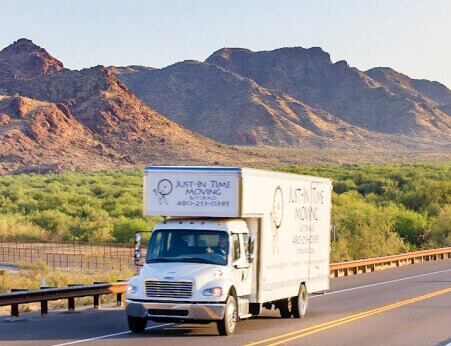
Utility deposits, cleaning services, and last-minute purchases top the list of often-neglected expenses.
Not always. While DIY moves eliminate labor costs, you may end up paying more in fuel, rental equipment, lost work hours, and unexpected delays.
Aim to schedule your move at least 6–8 weeks in advance, particularly during spring and summer. Early booking locks in rates and ensures availability.
In 2025, most individuals cannot deduct moving expenses unless they are active-duty military members relocating due to military orders. Always verify the latest IRS policies or consult a tax advisor.
Budget 10–20% of your total estimated move for hidden or unexpected costs to avoid surprises.