Avoid common pitfalls when relocating to Phoenix. Discover the top 10 mistakes to skip for a smooth move to the Valley of the Sun.

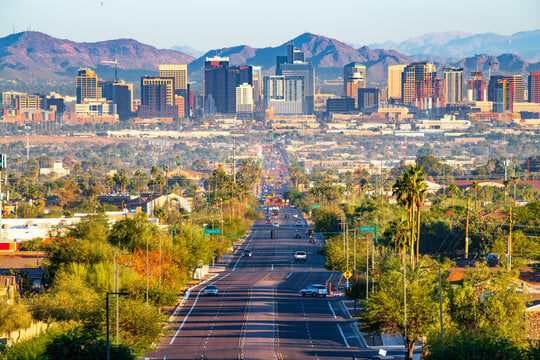
Phoenix, Arizona, is one of the fastest-growing cities in the United States. Known for its sprawling deserts, compelling lifestyle, and booming job market, it has become a prime destination for people relocating from across the country. With its sunny skies, vibrant economy, and affordable housing (compared to places like Los Angeles or San Francisco), it’s easy to see why so many are drawn to life in the Valley of the Sun. However, before packing your bags, there’s a lot you need to know. This comprehensive Phoenix relocation guide explores the common mistakes when relocating to Phoenix and offers actionable moving to Phoenix tips so you can settle in without setbacks. Whether you’re coming for career opportunities, a change of scenery, or to escape brutal winters elsewhere, this detailed guide will help you dodge preventable pitfalls and embrace a smoother transition. In addition to logistics, a successful relocation requires understanding subtle cultural, environmental, and infrastructural differences that may not be immediately clear to outsiders.
One of the biggest mistakes when moving to Phoenix is not preparing for the sweltering summer heat. Yes, you likely know that it gets hot in Arizona, but many newcomers don’t fully grasp what 110+ degrees Fahrenheit on a near-daily basis feels like—or what it means for daily living. This isn’t just uncomfortable heat—it’s dangerously hot, and ignoring proper precautions can lead to heatstroke, dehydration, and even severe car trouble if your vehicle isn’t properly maintained. Many first-time residents quickly realize how crucial it is to adapt their habits to accommodate this climate shift.
From June through September, the average daytime highs easily reach 106°F, often spiking even higher. Nighttime doesn’t bring much relief either, with temperatures frequently staying above 85°F. This extreme weather impacts everything from driving to power bills to your capacity for outdoor activities. Following a detailed guide to moving in Phoenix summers can offer invaluable strategies for managing a relocation during the hottest months, as certain aspects of life will require adaptation, such as learning which local parks offer shaded play areas or splash pads, and how to store medications and perishable goods properly during power surges.
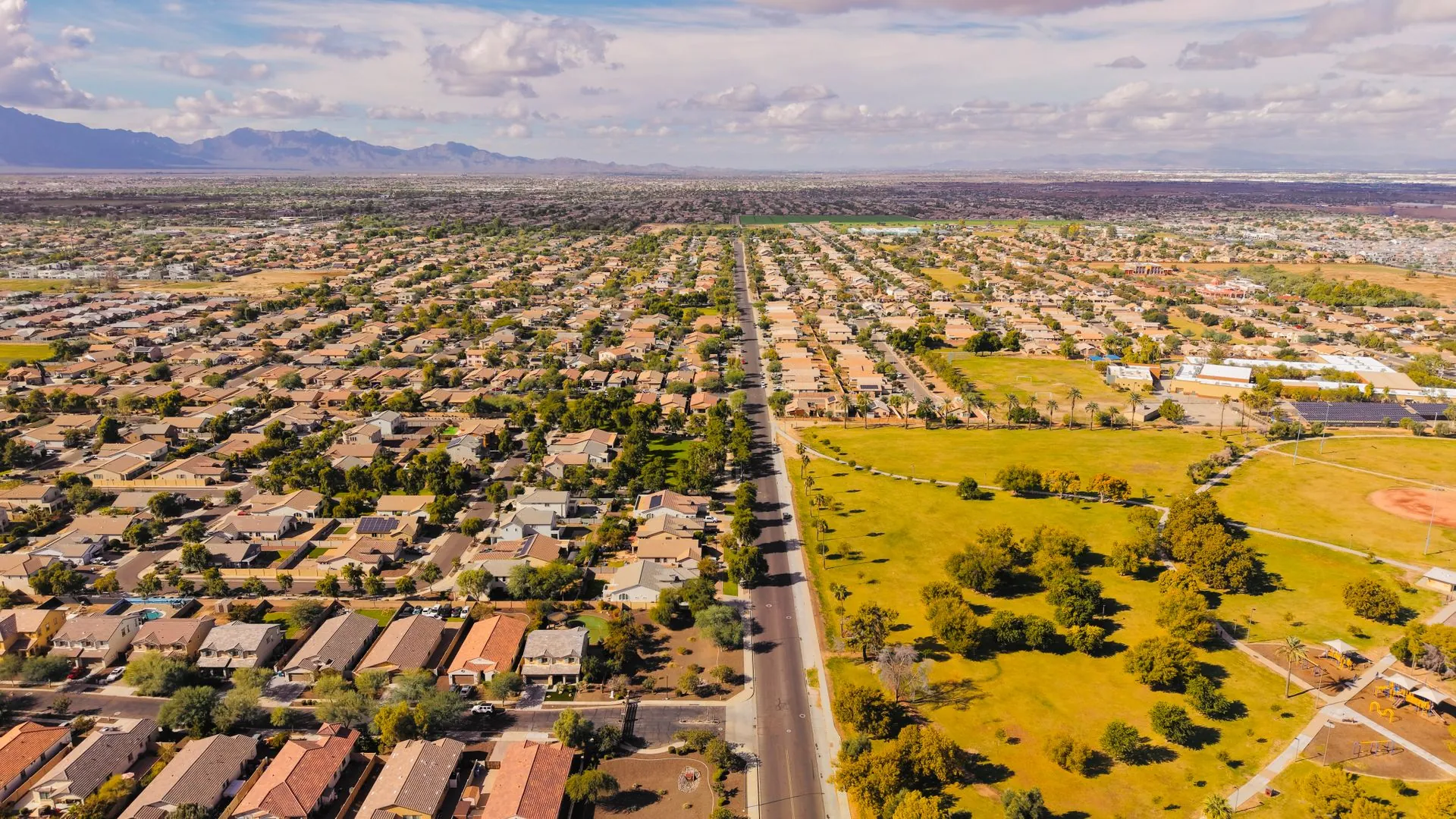
A common oversight in what to know before moving to Phoenix is underestimating the city’s layout and traffic issues. While Phoenix does have relatively wide roads and decent infrastructure, the metro area is extremely spread out. This leads to long commute times if you don’t plan accordingly. Weekday commutes of 60 minutes one way are not unheard of, especially for residents who need to traverse neighborhoods across the East and West Valleys.
Without intimate knowledge of freeway systems like the Loop 101, Loop 202, or I-10, it’s easy to choose a home that appears close to your job or school—yet actually involves frustrating daily commutes of 45 minutes or more. The city also lacks convenient public transportation in many areas. Living close to your place of work remains one of the most critical decisions for your daily comfort and energy levels.
Every city has better and worse neighborhoods, but one common mistake when relocating to Phoenix is basing your choice solely on price or a Google search. Phoenix has a variety of communities, ranging from urban centers to quiet suburbs like Gilbert and Chandler—all with different vibes and amenities. Safety, noise levels, and even access to local services like grocery stores and hospitals can vary dramatically between areas.
For example, if you’re looking for walkability and nightlife, Downtown Phoenix or Tempe may suit you better. Deciding between downtown Phoenix vs suburbs where should you live is a key first step for many newcomers. Families may prefer the school districts in Scottsdale or Queen Creek. Rent can vary significantly from neighborhood to neighborhood. In addition, planned developments like Verrado or Eastmark offer tight-knit community vibes and frequent family-oriented events, whereas areas like Roosevelt Row appeal more to singles and creatives. Crime rates also differ significantly, requiring due diligence when selecting your new home base.
While Phoenix is more affordable than coastal cities, it’s not necessarily cheap. New residents often move here under the false assumption that housing and everyday expenses will be significantly lower. But the city’s cost of living has risen noticeably in recent years. Housing demand has pushed home prices and rents higher, and summer utility spikes can be significantly more expensive than expected.
Utilities, for instance, can be expensive during long, hot summers. Rents and home prices have risen quickly due to the population boom, and a detailed analysis of renting vs buying in Phoenix is more important than ever. Water scarcity could lead to higher costs as well. Additionally, depending on where you’re moving from, you may face higher car insurance premiums due to high traffic volumes in popular neighborhoods or a greater likelihood of monsoon-related damages.
When moving to Arizona, you have 15 days to register your vehicle and driver’s license. Many people delay or forget this task, leading to fines or complications later. Arizona also has unique emissions requirements depending on the county, which can delay the registration process if overlooked.
Living in Phoenix pros and cons always include landscape maintenance. Many don’t consider how different desert landscaping is compared to other regions. Choosing the wrong types of plants or neglecting care can result in fines from HOAs or city violations. Unlike regions with lush, green lawns, a Phoenix yard often incorporates hardscaping, rock features, and minimal grass.
Arizona offers a mix of public, charter, and private schools. Some new residents mistakenly assume that all public schools are equal in quality, ignoring A–F grades, funding differences, or district challenges. This is a big deal for families with kids. In some areas, schools are underfunded or overcrowded, creating less-than-ideal academic environments.
Due to the growth spurt in housing and population, Phoenix has seen increased demand on healthcare. If you wait too long to establish care with a general practitioner or pediatrician, you may face very long wait times. This becomes especially important if you have chronic conditions or children who will need immunizations or regular visits.
Living in Phoenix pros and cons extend to weather unpredictability. Besides extreme heat, Phoenix also faces strong monsoon storms in the summer that can result in flash floods and power outages. Sudden microbursts can bring torrential rain, knocking out power and flooding intersections in minutes. Many newcomers are surprised by how dangerous and disruptive these short-lived but intense events can be.
The final mistake? Not getting involved. People often move hoping to “start over” but forget to build social and cultural connections in their new environment. Phoenix offers amazing food, art, sports, and hiking communities—it just takes effort to join them. Being proactive about meeting people and trying new activities will make your new home feel more like home.
Making a successful move to Phoenix goes beyond just packing boxes and booking a mover. By avoiding these common mistakes when relocating to Phoenix and following our practical moving to Phoenix tips, you’ll lay the groundwork for a smooth and fulfilling transition. From navigating climate challenges and researching neighborhoods to budgeting correctly and engaging with local culture—each step matters. The process can be simplified by consulting a hiring Phoenix movers step-by-step guide to ensure you find a reliable partner. Use this Phoenix relocation guide as a tool to plan strategically and make your move to the Valley of the Sun in 2025 a rewarding one. A little preparation today ensures lasting comfort, health, and happiness in your new desert home tomorrow. And if you need a free quote from the best moving company in Phoenix, AZ, get it from us!
Phoenix is generally more affordable than major metropolitan areas like San Francisco, New York, or Seattle. However, it is increasingly more expensive compared to national averages, especially in housing and utilities. New residents should carefully compare rents, tax rates, and average grocery bills to budget effectively.
Summers in Phoenix regularly exceed 110°F, with upwards of 30 days each summer hitting this benchmark. Nighttime temperatures often remain above 85°F, offering little relief. It’s essential to have reliable cooling systems and hydration strategies for both work and recreation.
While Phoenix does have a light rail and some bus lines, most areas are car-dependent. Consider a reliable vehicle equipped for heat and plan your commute accordingly. In future years, the Valley Metro plans expansions, but current reach is still limited outside of central corridors.
School quality varies widely, so prioritize school district research. Also consider local weather safety tips and age-friendly neighborhood amenities. Many family-oriented communities also have HOA-managed playgrounds and sports fields that support healthy development.