
Discover how to move sustainably with eco-friendly packing, recycling, and transport tips. Go green while relocating and reduce your environmental footprint.


Moving to a new home is an exciting journey, but it’s often accompanied by something far less cheerful—environmental waste. From countless cardboard boxes and plastic wraps to fuel-guzzling trucks and last-minute dump runs, a traditional move can leave a heavy carbon footprint. In fact, many moves result in hundreds of pounds of waste and greenhouse gas emissions, all from one household shifting to another. But what if we told you there’s a better way?
Whether you’re relocating across the city or across the country, taking a few mindful steps can drastically reduce your environmental impact. These sustainable relocation ideas aren’t just good for the planet—they can often save you time, money, and stress, too. Let’s explore a series of straightforward, actionable eco-friendly moving tips you can integrate into your moving plan today.
Before you even reach for a packing box, take a moment to sort through your belongings. Odds are, there are items you no longer need—clothes that don’t fit, furniture that won’t suit your new space, duplicate kitchen gadgets. Decluttering helps you reduce the amount of stuff you need to move, which in turn means fewer boxes, fewer trips, and less fuel consumption.
Make it a goal to evaluate each item with the classic moving question: “Do I want to pay to move this, only to store it somewhere unused?” This mindset shift helps you be more intentional about what you truly need, what you can comfortably let go of, and what might require professional storage moving solutions.
Items in good condition shouldn’t end up in the landfill. Instead, donate to local charities, shelters, or secondhand stores. Organizations like Goodwill, Salvation Army, and Habitat for Humanity often accept household goods, furniture, and clothing. Additionally, apps like OfferUp, Freecycle, and Facebook Marketplace allow you to give away or sell items to people nearby. This keeps items in use and contributes to the circular economy.
Some communities even host neighborhood swap events, where residents can trade household items, tools, books, or clothes. Participating in or organizing one of these events can be a great way to meet neighbors and give your items a second life.
For items that are no longer usable, research your local recycling center’s guidelines. Electronics, batteries, old appliances, and certain plastics can often be disposed of responsibly with minimal effort.
Some retailers, such as Best Buy and Staples, provide electronic recycling services for old gadgets, while automotive stores often accept used oil or car batteries. If you’re unsure where to recycle a niche item, websites like Earth911.com help you find local solutions by zip code.
By minimizing what you move, you’re also minimizing transport emissions. Fewer items mean a smaller truck or fewer trips, which directly reduces your moving carbon footprint. Additionally, less clutter means less time spent organizing and unpacking, helping to ease the adjustment to your new home.
Bubble wrap and plastic tape are the go-to choices for many movers, but they don’t break down easily and typically end up in landfills. Instead, consider using green packing materials that are reusable, recyclable, or biodegradable. For padding, use newspaper, old towels, or biodegradable packing peanuts. These and other packing hacks for stress-free moves can make a big difference. Sealing boxes? Opt for paper tape or other compostable adhesives.
You can also save packing materials from deliveries throughout the year, such as air pillows, cardboard inserts, or protective sleeves. Repurposing these not only cuts down on new purchases but extends their usable life before disposal.
Instead of buying new boxes, look for local companies that rent out sturdy, reusable plastic bins. Services like U-Haul’s Ready-To-Go Boxes or companies like Rentacrate offer rentable moving containers, cutting down on cardboard waste. Many of these bins are stackable and weather-resistant, providing better protection during the move.
These companies also often include delivery and pickup of the containers, making it a low-effort and environmentally conscious swap from traditional cardboard boxes. Bonus: the uniform sizes of these containers make it easier to load the moving truck efficiently.
Not all moving companies are created equal. When selecting your movers, it’s helpful to understand what you need to know about moving services in general before asking questions about their environmental policies:
Some sustainability-conscious movers provide carbon offset programs or partner with green organizations. Others may support donation pickups, saving you a trip while contributing unused items to a worthy cause.
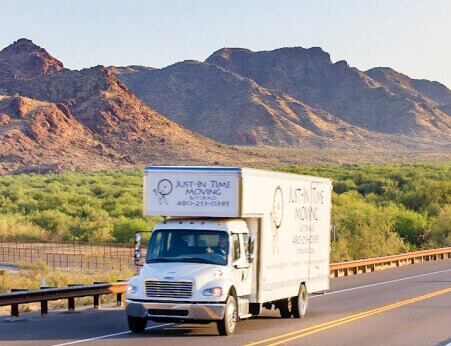
If you’re looking to move with minimal environmental impact, JIT Moving offers a range of green solutions for conscious movers. From optimized route planning to fuel-efficient trucks and recycling programs for used packing supplies, JIT Moving is committed to making your transition smoother and more eco-friendly.
They also provide free consultations on how to pack and load for maximum efficiency, reducing move time while increasing sustainability. Clients can even request an eco-audit of their moving plans to identify areas for improvement.
Paper may seem small, but over the course of a move—checklists, inventory logs, address changes, contracts—it adds up. By using digital tools, you’re not only saving paper but also staying organized and efficient. For a comprehensive overview of everything involved, a good relocation guide can provide a master checklist to digitize.
Moving digitally also makes it easier to share responsibilities. You can assign tasks, track progress, and ensure accountability among family members or roommates in one shared platform.
Moving is a great opportunity to streamline your process and go paperless in both planning and execution.
One of the most significant contributors to your move’s carbon footprint is transportation. Trucks running back and forth can waste not only fuel but also time. To avoid unnecessary trips and idle times, prioritize smart route planning and vehicle usage.
Creating a loading strategy—such as grouping similar-sized boxes or placing items by room—also reduces guesswork and multiple trips to the truck, allowing for faster, more fuel-efficient loading.
JIT Moving optimizes travel routes and truck loads for maximum efficiency—another step in helping you reduce moving carbon footprint.
Even with the best intentions, you’ll likely have leftover boxes, wrapping paper, or packing peanuts. Instead of throwing them away, take a moment to recycle or repurpose.
A quick post in local online communities offering used packing materials can often yield fast pickups from other upcoming movers, keeping these supplies in circulation.
Relocating doesn’t have to come at the expense of the environment. By making thoughtful decisions before, during, and after your move, you can significantly reduce your carbon footprint. From eliminating unnecessary items to adopting green packing materials and choosing environmentally friendly movers, every action adds up.
Small eco-friendly habits practiced today lay the blueprint for a greener lifestyle tomorrow. Whether you’re a seasoned mover or a first-timer, these eco-friendly moving tips make it easier for you to tread lightly and live responsibly.
Choose movers who care about sustainability — contact JIT Moving today.
Start by decluttering before you pack, switching to reusable packing materials, and opting for digital documents instead of paper. These small changes instantly reduce waste and are easy to implement.
Not necessarily. In fact, many <strong>eco-friendly moving tips</strong> save money. Donating reduces your load (and cost), using free recycled boxes cuts expenses, and digital tools eliminate printing fees.
Ask questions about their fleet’s fuel efficiency, recycling programs, and use of reusable materials. Phoenix moving companies like JIT Moving specialize in green practices.
For long-distance relocations, consolidate shipments, work with one moving company, and opt for efficient route planning. It’s best to work with dedicated long distance movers who specialize in these logistics. Prioritize downsizing and using sustainable packaging to minimize weight and volume.