
Discover the hardest items to move and how professional movers handle them safely. Expert insights from JIT Moving in Phoenix, AZ.

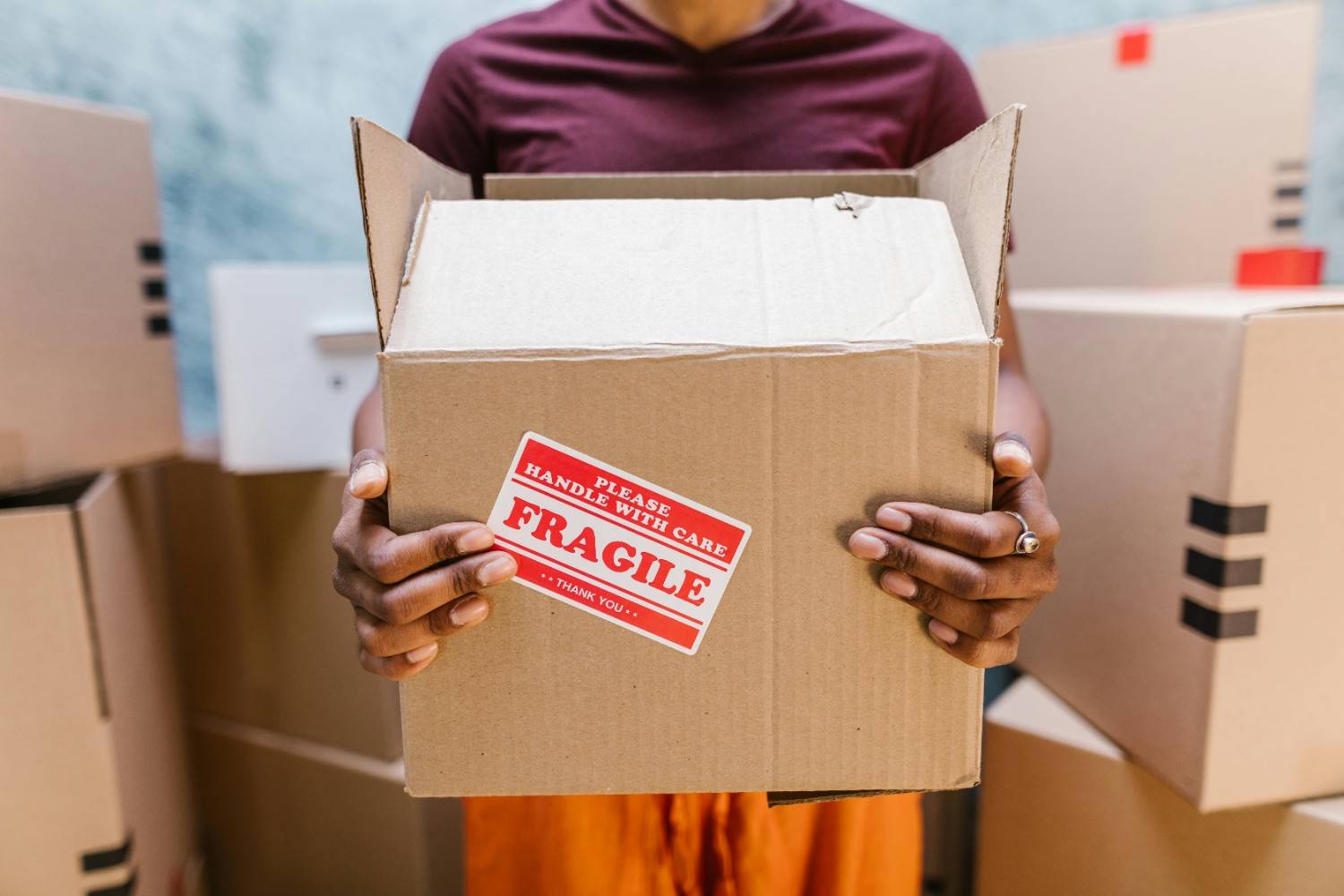
Not everything fits neatly into a moving box. Some items push the limits of what two people, a dolly, and a moving truck can realistically handle – and attempting to move them without the right knowledge or equipment leads to damaged belongings, injured backs, and costly repairs to floors and walls.
Professional movers encounter these challenges every day. They’ve developed specific techniques, tools, and processes for the items that most people dread moving. Understanding how the pros approach these pieces gives you a clearer picture of what to expect on moving day – and why certain items genuinely require expert hands.
Here are the most difficult items movers handle, and exactly how professionals get them from one home to the next without incident.
A piano combines extreme weight, awkward dimensions, and extreme fragility in one piece of furniture. Upright pianos typically weigh between 400 and 800 pounds. Grand pianos can exceed 1,200 pounds and require partial disassembly – removing the legs, pedal lyre, and lid – before they can be moved safely. Beyond the weight, the internal mechanics are sensitive to vibration, temperature shifts, and impact. A single hard bump can knock a piano out of tune or crack the soundboard.
Experienced movers use a dedicated piano board – a reinforced flat board with heavy-duty straps – to secure the piano before it ever leaves the floor. The instrument travels on its back on the board, not upright, to lower the center of gravity. Movers wrap every exposed surface in moving blankets and secure the keyboard lid to prevent it from opening during transit. On stairs, a minimum of four movers work in coordinated steps. At the destination, a professional piano tuner is typically recommended after the move to restore the instrument to playing condition. Before booking any crew for a specialty move like this, it pays to know the right questions to ask your mover so you can confirm they have the experience and equipment your items require.
A full-size pool table weighs between 700 and 1,000 pounds and cannot be moved intact under any circumstances. The slate playing surface – usually three separate pieces of thick stone – accounts for the majority of that weight and cracks if handled incorrectly. The felt covering tears easily, and the pockets and rails require careful removal and reattachment to maintain playing accuracy.
Professionals disassemble a pool table completely before moving it. The rails and pockets come off first, followed by the felt, which is carefully rolled rather than folded to prevent creasing. The slate sections are wrapped individually and carried vertically – never flat – to reduce the risk of cracking. The frame and legs are padded and loaded separately. Reassembly at the destination requires releveling the slate precisely, which is a skilled process in itself. Many professional movers recommend hiring a dedicated billiard technician for the reinstallation.
Safes are deliberately designed to be immovable – that’s the point. A standard home safe can weigh anywhere from 200 to over 1,000 pounds depending on its size and fireproofing. Their compact, dense shape makes them nearly impossible to grip, and their weight is concentrated in a very small footprint, which puts enormous stress on flooring and equipment.
Movers use heavy-duty furniture dollies with reinforced decking and high weight ratings specifically for safe transport. Straps wrap around the body of the safe rather than relying on handles, which are often not load-bearing. When navigating stairs, movers use a stair-climbing dolly – a specialized piece of equipment with rotating treads that distributes weight across each step rather than dragging. Floor protection is laid down before the safe moves an inch, and the path is cleared completely in advance. No improvisation happens with a safe.
An empty hot tub weighs between 500 and 1,000 pounds. The shape is wide, unwieldy, and nearly impossible to grip. Moving one requires navigating tight gates, uneven ground, and often a full team just to rotate the unit. Hot tubs also have plumbing fittings and acrylic shells that crack or break if the unit is tipped at the wrong angle.
The tub must be completely drained and dried before the move – any standing water adds significant weight and creates a slip hazard. Professionals use a combination of furniture dollies and moving straps to walk the hot tub upright along a clear path. In many cases, a crane or powered lift is required to move a hot tub over fencing or through spaces where a standard path isn’t available. JIT Moving assesses the site in advance to determine the safest removal and loading method before the crew arrives.
An antique armoire, a vintage credenza, or a century-old secretary desk presents a unique challenge – these pieces are often irreplaceable, structurally fragile due to age, and built with joinery techniques that don’t respond well to modern stress. Their value is not just monetary but sentimental, which raises the stakes considerably. If you’re not moving immediately into your new home, placing valuable antiques in a secure, climate-controlled environment is the safest interim option – exploring your Mesa secure storage options is a smart step for anyone managing high-value pieces during a transition.
Professionals assess antique furniture for structural weak points before moving it. Drawers and doors are secured with stretch wrap rather than tape, which can damage finishes. Moving blankets cover every surface, and the piece travels in a position that distributes its weight evenly. For particularly fragile or high-value antiques, custom crating – a wooden box built around the item – provides the highest level of protection during transit.
While home gym equipment deserves its own detailed treatment – and we’ve covered exactly that in our complete guide on moving your home gym safely – it belongs on this list. Power racks, commercial treadmills, and cable machines rank among the heaviest and most awkward items in any home. The short version: always disassemble before moving, never attempt a power rack solo, and use the right dollies for the job.
A grandfather clock is a precision instrument inside a tall, top-heavy cabinet. The pendulum, weights, and chime rods are all loose components that shift and collide during transit, causing internal damage and throwing off the clock’s timing. The tall, narrow profile makes the cabinet prone to tipping.
Before moving, professionals remove all loose internal components – the pendulum, weights, and any chime rods – and wrap them individually. The clock face is protected with padding. The cabinet itself travels strapped upright against the interior wall of the truck, never laid flat. After delivery, a clock technician should reinstall and recalibrate the movement for accurate timekeeping.
The common thread across every item on this list is that the cost of getting it wrong far exceeds the cost of hiring help. Damaged slate on a pool table, a cracked piano soundboard, or a scratched antique finish are expensive – sometimes irreversible – mistakes. If you’re planning a move in the Phoenix area and want to understand exactly what working with a professional crew looks like from start to finish, our step-by-step guide to hiring Phoenix movers walks you through the entire process so you know what to expect before, during, and after moving day.
At JIT Moving, our crews handle all of these items regularly across Phoenix, Mesa, and the greater Arizona area. We arrive with the right equipment, the right team size, and a site-specific plan for every challenging piece in your home. Request a free quote today and move every item in your home with confidence.
The most difficult items to move share a common set of challenges – extreme weight, structural fragility, awkward dimensions, or some combination of all three. What separates a professional moving crew from a well-meaning group of friends is the equipment, technique, and experience to handle these challenges without damage or injury.
Whether you’re relocating a grand piano, a pool table, or a 900-pound safe, the right team makes the difference between a move that goes smoothly and one you’ll be paying to fix for months. Trust the professionals who handle these items every day.
Pianos and pool tables are consistently among the most challenging items professional movers handle, due to their extreme weight, fragility, and the disassembly or specialized equipment required. Grand pianos and full-size slate pool tables both require experienced crews and dedicated tools.
Yes, most professional moving companies apply additional charges for specialty items like pianos, safes, pool tables, and hot tubs. These items require extra crew members, specialized equipment, and more time. Always disclose these items when requesting a quote so your estimate accurately reflects the full scope of the move. To get a clearer sense of what your overall move might cost, our breakdown of how much a mover costs in Arizona gives you a solid starting point for budgeting.
Yes, but it requires a stair-climbing dolly and an experienced crew. Standard hand trucks are not safe for moving heavy safes on stairs. Professional movers assess the staircase configuration in advance and determine the correct approach before attempting the move.