
Explore Arizona moving options: compare local movers vs statewide movers to find the best fit for your relocation needs and budget.


Moving within the Grand Canyon State can be a major life event, whether you’re relocating from Tucson to Phoenix or just heading across town. One of the first decisions you’ll need to make is whether to hire statewide or local movers in Phoenix, Arizona. Understanding the differences between these services and knowing when to choose one over the other makes all the difference in a successful move. This comprehensive guide explores the ins and outs of both options, helping you confidently navigate your move in 2025.
Arizona is a vast and diverse state, ranging from desert cities to rural mountain towns. That means no two moves within the state are alike. Your move’s scope, distance, and complexity will often determine whether you need local or statewide assistance. Choosing the relocation moving companies in Arizona involves more than just price-it’s about service scope, timing, logistics, and local knowledge.
For example, a move from Yuma to Sedona presents vastly different logistical challenges than moving across a single Phoenix suburb. While urban areas are more accessible and present fewer complications related to road access and weather, rural or mountainous areas like Show Low or Payson may require equipment and planning only seasoned movers can provide. You also need to consider Arizona’s climate extremes. Summer temperatures in the Valley can exceed 110°F, affecting everything from scheduling to vehicle performance.
Typically, a local move in Arizona is one where the distance is under 50 miles and stays within the same metro area-think moving from Mesa to Scottsdale or Glendale to Tempe. Local movers often charge hourly and are highly familiar with the neighborhoods they service. They specialize in quick, efficient moves, often completing them within a single day.
Local movers are ideal for small apartment relocations, student moves, or homeowners doing short hops within the same city. They can quickly navigate traffic hotspots, handle parking restrictions, and adjust to last-minute changes. Because their teams work consistently in the same cities, they also come with relationships and experience that speed up the process-like knowing which buildings require elevator reservations or understanding zoning laws for vehicle parking.
A statewide move, on the other hand, usually involves relocating between cities or regions within Arizona. For example, relocating from Tucson to Prescott or from Phoenix to Flagstaff qualifies as a statewide move. These typically cover distances over 50 miles and often require more detailed planning, coordination, and extended travel times.
In a statewide move, companies often need to determine optimal travel routes, accounting for road construction, weather conditions in different elevations, and timing to meet delivery deadlines. They may also require coordination with multiple teams or vehicles across state zones. Challenges such as securing temporary storage moving solutions in Arizona during a transition period or scheduling delivery windows that meet both pickup and drop-off constraints add layers of complexity that local movers might not be equipped to handle.
To make the best choice for your move, it’s crucial to understand how local and statewide Arizona moving services differ in terms of logistics, cost, licensing, and service offerings.
Both local and statewide movers are required to be licensed, but statewide movers must adhere to more stringent regulations due to the longer travel distances. They must be registered with the Arizona Department of Public Safety or the Arizona Department of Transportation. In contrast, local movers operate within metro zones and may adhere to more localized licensing bodies.
Choosing a licensed mover ensures that you’re protected in the event of damage, loss, or disputes. Most reputable companies will also be members of professional industry organizations like the American Moving & Storage Association (AMSA), which sets standards for safety, reliability, and service ethics. Before hiring, always request to see a mover’s licensing documentation or verify it with state regulatory databases.
Statewide movers may also provide specialized moving solutions, such as temperature-controlled transportation for delicate items or custom crating for artwork or electronics. If you’re making a business move or relocating an office across the state, these full-service providers can also offer commercial moving a detailed guide, tech equipment transport, and after-hours scheduling.
Local moving companies in Arizona generally charge by the hour based on the size of the moving crew and trucks provided. Statewide movers often calculate costs by weight, distance, and service level. Understanding these pricing models can help you budget more effectively.
Hourly pricing is ideal for short, straightforward moves but can become expensive if delays occur. Flat-rate pricing offers peace of mind for longer distances but may include extra surcharges for additional stops, stairs, or bulky items. Always ask for a written estimate in advance with all fees disclosed, including fuel charges, overtime fees, or equipment rentals like dollies or wardrobe boxes.
Insurance offerings also vary. Local moves may come with basic coverage, but if you’re making a longer move, you’ll want to ensure your Arizona moving services offer full-value protection or comprehensive coverage packages.
Basic valuation coverage may reimburse you at $0.60 per pound per item, which could leave you significantly undercompensated for expensive items like laptops or televisions. Full-value protection plans, while costing more, ensure that lost or damaged belongings are repaired, replaced, or reimbursed at current market value. Clarify coverage terms and deductibles before committing to a moving contract.
Some scenarios clearly call for hiring local movers in Arizona. If your move matches any of these descriptions, local movers are likely your best bet.
Additionally, local movers may offer discounts or promotions during off-peak days like weekdays or mid-month dates. Ask about availability for weekday scheduling to avoid weekend surcharges or resource crunches.
There are many circumstances where hiring Phoenix movers step by step guide for statewide relocations makes more sense.
In long-distance cases, effective communication is key. Make sure your statewide mover provides tracking tools, regular updates, and a single point of contact to manage the timeline and questions.
| Feature | Local Movers | Statewide Movers |
|---|---|---|
| Distance Covered | Under 50 miles | Over 50 miles |
| Pricing Model | Hourly Rates | Flat Rate by Distance/Weight |
| Insurance | Basic Coverage | Full-Value or Custom Coverage |
| Service Time | Same Day | 1–3 Days or More |
| Additional Services | Limited Packing Help | Packing, Storage, Heavy Lifting |
| Best For | Small households, short-notice moves | Large homes, coordinated cross-city relocation |
Before signing any contracts, ensure your selected moving provider matches your requirements. Here are vital questions to ask:
Thorough vetting helps avoid communication breakdowns and budget surprises. Be clear about your inventory and expectations-many movers adjust the estimate if items are added on moving day.
Relocating within Arizona in 2025 presents residents with two main options: local and statewide moving services. When deciding between moving services in Phoenix what you need to know, consider distance, budget, timeline, and service needs. Local movers offer speed and cost efficiency for short hauls, while statewide movers excel in coordinating long-distance, complex relocations. With proper planning, research, and a vetted provider, your Arizona move can be smooth, stress-free, and successful.
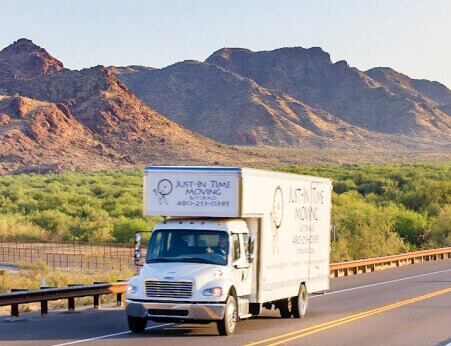
Local movers handle short-distance moves within metro areas, usually under 50 miles. Statewide movers manage longer relocations across Arizona, involving more planning, services, and often higher costs.
Evaluate the distance, size of your move, and service needs. If you’re staying in town and moving a standard load, local movers are enough. For multi-city or high-volume transitions, statewide movers are recommended.
Generally, yes, because pricing is based on miles and weight. However, their ability to manage complex moves, provide storage, and offer tracking may justify the added cost.
Absolutely. Especially for statewide moves, comprehensive insurance ensures you’re financially protected in case of loss or damage.